How to smoothly transition your horse into the cold season
Shorter days, lower temperatures, wetter paddocks, fluffy winter coats... winter changes a lot for our horses. While many horses transition smoothly, older, sick, or horsesperforming at a high leveloften need extra support during this seasonal shift.
From adjusting feeding routines to providing an immune-boosting supplement, there are many ways to help them adapt.
What happens to a horse’s body when winter starts?
When the winter starts, a horse’s body automatically switches to ‘winter mode’.Their metabolism adapts; a thicker winter coat grows in, and the immune system isput under extra pressure by cold, damp conditions and shorter days.
Why is this important to know as a horse owner?
Because this transition costs energy. For some horses, especially sensitive, older or sick ones, this period can mean extra stress, lower resistance, or a dip in overall condition.
How can we help our horses during the transition to winter?
The transition from autumn to winter is one of the most demanding periods for a horse’s body. During this phase, supporting the immune system, metabolism, and digestive health is essential to help horses adapt smoothly and stay healthy throughout the colder months.
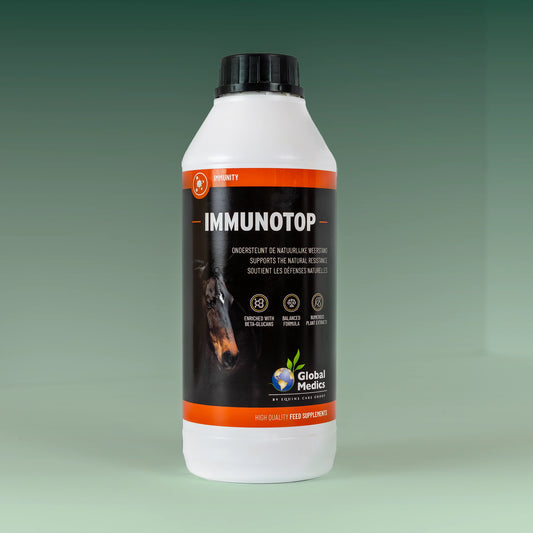
At Equicom, you’ll findnutritional supplementsdesigned to supportimmunityand overall resilience: ideal for the start of winter.
What’s the best feeding routine in winter for horses?
Horse feed in winter
Hay: the winter essential
Hay is the cornerstone of a winter diet:
Hay keeps digestion active
Produces internal heat through fermentation
Provides energy throughout the day
Best practice:make sure hay is available at all times, especially during cold nights. It keeps their digestion moving, provides essential energy, and ensures they have enough ‘fuel’ to fight off the cold.
Food: adapted to winter
In winter, it may be necessary to temporarily adjust the feed, as horses use more energy to maintain their body temperature. Depending on the horse's condition, age, and workload, a slightly higher-energy or fiber-rich feed composition may be appropriate.
Please note that adjustments should be made gradually, allowing the digestive system time to adjust. Combined with sufficient roughage (hay!), adapted feed supports resistance, vitality, and overall health during the colder months.
Yes, horses often drink less in winter, and that's risky. Dehydration can lead to:
Reduced feed intake
Slower digestion
Increased risk of colic
Why does water intake drop for horses in winter?
Lower thirst signals: cooler temperatures and reduced sweating mean the horse's body gives fewer signals to drink.
Cold water discourages drinking: horses are less inclined to drink very cold water, especially when temperatures drop.
Drier feed: with more hay and less juicy grass, horses receive far less moisture from their feed.
How do you keep your horse hydrated in winter?
💧 Always provide fresh, unfrozen water.
💧 Adding a cup of water to your horse's daily feed will add extra moisture to your horse's food.
💧 Consider adding electrolytes if you suspect your horse is not drinking enough: these can stimulate thirst cues and promote water intake.
Special attention for senior horses, sport horses and sick horses in winter
Older, sick or actively performing horses often have increased needs in winter.
How to care for a senior horse in winter
Senior horses feel the cold more acutely. A well-fitting winter blanket can be a quick fix here. Older horses also often face mobility issues, especially in colder temperatures, as joints can stiffen and feel more discomfort.
Supporting healthjoint with the right nutrition or supplements can help maintain flexibility and keep your horse moving comfortably all winter long.
Discover our full range of products specifically developed to support the health, comfort and vitality of senior horses (including our joint support solutions) designed to keep sensitive joints comfortable.
How to care for a sport horse in winter
Sport horses, on the other hand, need adapted nutrient support in winter to keep muscles and joints healthy. Since muscles take longer to warm up in cold temperatures, thorough warm-ups and a gradual start to training are especially important in winter.
Common winter challenges for sport horses and their solutions:
Consider a muscle and tendon supplement, especially during colder periods.
How to care for a sick horse in winter
If you’re caring for a horse with health challenges over the winter, be sure to think about tailored cold protection, gentle movement to help digestion, stress minimization, and regular veterinary check-ups.
Supporting your horse's immune system can make a real difference during this demanding season.
Your horse in the stable or paddock in winter?
Dust and air quality in winter
In closed stables and riding arenas, where airflow is limited, dust becomes a constant companion, irritating horses' respiratory systems. So, it’s time to get outside! If pastures aren’t usable due to the weather, daily outdoor exercise helps clear the airways and revitalizes their energy levels.
Mud in paddocks and fields is also typical of the wet, cold season, providing ideal conditions for issues like thrush and mud fever. With proper hoof care, regular cleaning of open areas, dry standing areas and a bit of extra attention, these problems can be well-managed.
Regular hoof care routines can be enhanced with supportive products that strengthen and protect the hoof, such asTRM Hoof Oil. For effective treatment of skin irritations and mud fever , Derma Pro from Global provides targeted care.
Winter care for horses: checklist
There’s no single magic solution, winter horse care is about smart management and adaptability.
Winter essentials checklist:
Unlimited forage
Fresh water at all times
Regular, appropriate exercise
Clean, well-ventilated stables
Tailored nutrition and supplements
Final thought: stay attentive, stay flexible
For our horses to thrive through the winter, an optimal management plan with regular exercise, fresh air, clean stables, and balanced feeding is essential. Beyond that, wintertime for us as horse caretakers means one main thing: staying flexible and attentive to our animals’ changing needs.
By listening closely, adjusting routines, and supporting their bodies through the seasonal transition, we help them not just get through winter, but we help them stay strong, healthy, and ready for the seasonal challenges.
And remember: every bit of effort you put into your horse’s wellbeing is much appreciated. Your horse will be grateful. 💚




 Free shipping from €99 Hooray! 🎉
 Shipped within 1 business day Lightning fast ⚡
 Expert advice available DM us 📨
 14 days return policy Piece of cake 👌


