The leaves are falling, the days are getting shorter, and we're starting to reach for an extra sweater. Our horses feel the change of seasons too! Less daylight and cooler temperatures not only result in a thicker coat but can also throw their immune systems, joints, and even moods off balance.
The leaves are falling, the days are getting shorter, and we’re all reaching for an extra layer. And our horses feel these seasonal shifts too! Shorter daylight hours and cooler weather don’t just mean fluffier coats: they can also nudge your horse’s immune system, joints, and even mood off balance.
Here are 9signs your horse might need extra support this fall, and how to spot them before they turn into bigger problems:
1. Slower coat change
During shedding season, some horses may benefit from a little extra support to help their coat change smoothly. It’s not necessary for every horse, but an extra boost can certainly make a difference. And when you notice that they are still in a thin summer coat when the days are getting chillier, extra support might be necessary.
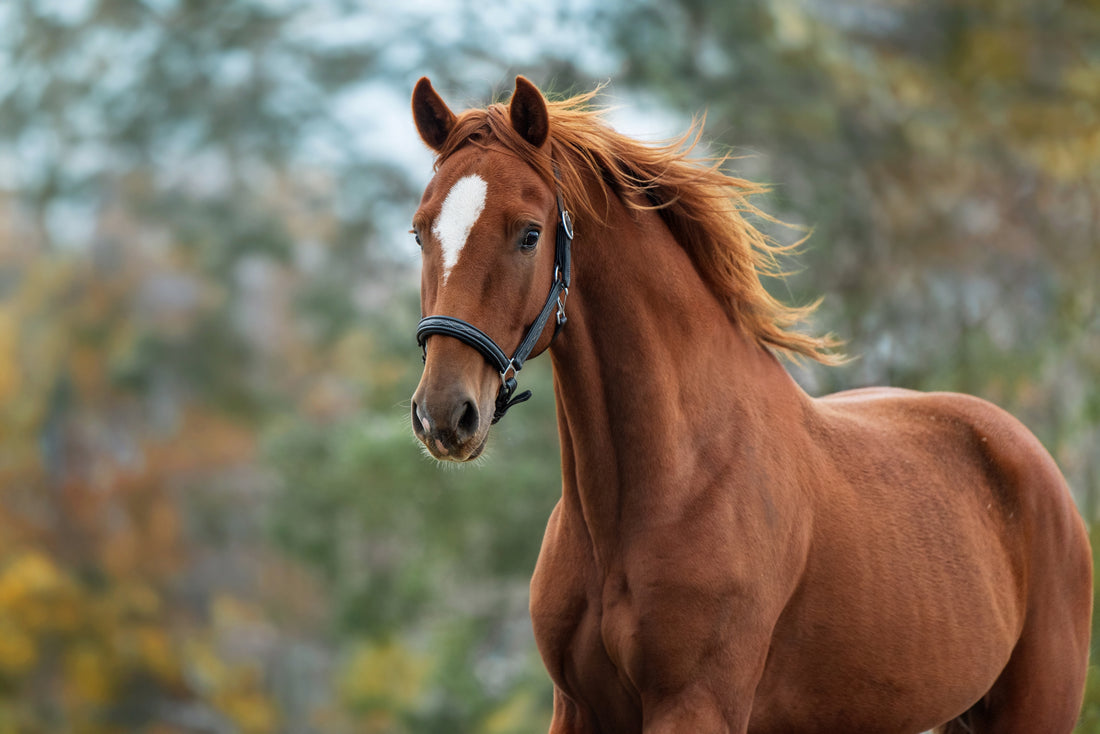
Don’t let the fluff fool you, that cozy coat your horse is rocking can hide a lot: including ribs or muscle loss. Give your horse a good feel along their neck, back, and sides. If you notice more bone than you’d like, it’s time to give them a little bit more fuel this fall.
A great supplement you can add to your horse’s daily feed is Curragh Carron Oil. This high-quality blend of cold-pressed linseed oil and calcium is a natural source of essential fatty acids, supporting healthy digestion, vitality, and a shiny coat. It’san easy way to give your horse that extra boost from the inside out.
Especially seniors, hard keepers, or horses coming out of a busy competition summer season can have a sudden change in weight when the temperature drops. And some horses simply burn through calories faster!
Maybe it’s time to switch your horse’s feed? Shop our favorite feedhere.
3. Stiffnessorslower warm-up
Fall is the unofficial snooze-season (it just takes a little longer to get moving on a chilly morning!) and your horse feels the same. As the temperature drops, old aches like arthritis or joint discomfort can make your horse slower to warm up and a little stiffer in their movement.
If your horse needs more time than usual, and if movements feel a little less smooth, it’s a hint they might need some extra joint support.
Instead of growing a sleek, fluffy winter coat, your horse’s hair looks patchy, dry, or lacks shine?
The shine of your horse’s coat is a window to their health: if the coat looks patchy or dry, it could be your horse’s way of telling you that’ssomething’s off: maybe in their nutrition, digestion, or overall wellbeing.
4b. Hoof problems
Soggy autumn ground can be tough on hooves: cracks sneaking in, slower growth, or a bit more sensitivity than usual. A little extra support goes a long way!
Whether your horse is a picky eater or an easy keeper, cooler weather can bring subtle changes in how they eat and drink. One day with a little less water or afew skipped bites might not have the biggest effect but keep an eye out that it does not become a habit to skip on food and water, because this can raise the risk of colic.
💡 Make sure your horse eats and drinks regularly, and always check that are minimal food left overs, as this could indicate an issue. Chewing roughage is their natural way to stay warm: like an internal heater working from the inside out!
💡 When you notice less water intake you can switch to a mash instead of pellets, or add a cup of water to their feed. Shop our favorite mashes here.
6. Lack of energy
Your horse is not their usual forward self under the saddle, or slower to come from the field? You know them best, and you know: something’s up.
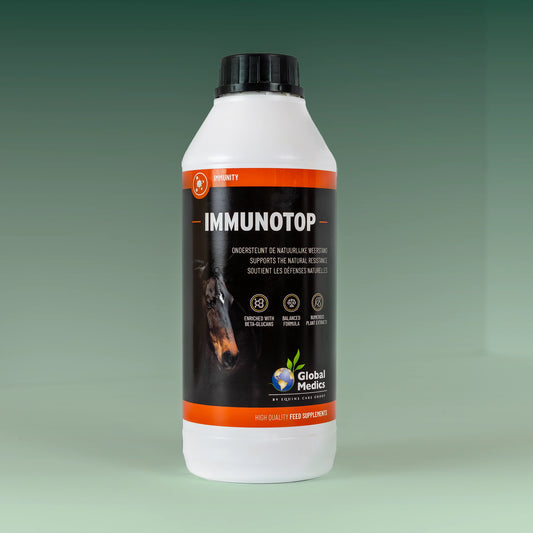
Cooler weather, longer nights, or even subtle health changes can take away from their spark. Time for some extra support? Shop our favorite support for the fall season here.
7. Coughing,nasal discharge,or noisy breathing
Respiratory issues like coughing, nasal discharge, or wheezing often flare up when horses spend more time indoors. Dry, dusty air from bedding, hay, and reduced ventilation can irritate the lungs, making respiratory support especially important during stable season.
A suddenly grumpy horse, spooking at shadows that weren’t scary yesterday, or just seeming a bit more tense: behavioral changes often tell us that something’s up. Horses can’t tell us with words, so these mood shifts are their way of waving a little flag that they might be uncomfortable.
Time for a little stress reliever? This Unika Ball is both a funky decoration and a great support for your horses well being.
9. Itching due to shedding
Do you see your horse rubbing, or do they often come to you asking to be scratched? During the shedding season, your horse's skin can become extra sensitive. Shop Orthosal Zink Horse to provide relief.
Key takeaways from this blog 🍁
Weight loss hidden under a fluffy winter coat can signal your horse needs more calories or adjusted nutrition.
Stiffness or longer warm-ups in colder weather may point to joint discomfort and the need for extra support.
A dull coat, patchy hair, or weakened hooves reflect changes in health, digestion, or seasonal stress.
Shifts in appetite or water intake increase the risk of colic, so monitor feed and hydration closely.
Low energy, coughing, or nasal discharge often arise in fall due to cooler, damp conditions affecting lungs and vitality.
Behavioral changes, itching, or excessive rubbing are common signs of discomfort from seasonal transitions.
🍂 Spotting these signs early helps you keep your horse healthy, comfortable, and ready to enjoy autumn.



 SaleVendor:Reverdy






 Free shipping from €99 Hooray! 🎉
 Shipped within 1 business day Lightning fast ⚡
 Expert advice available DM us 📨
 14 days return policy Piece of cake 👌


