Winter Care for Your Horse: Tips for a Healthy and Happy Season -
3 min
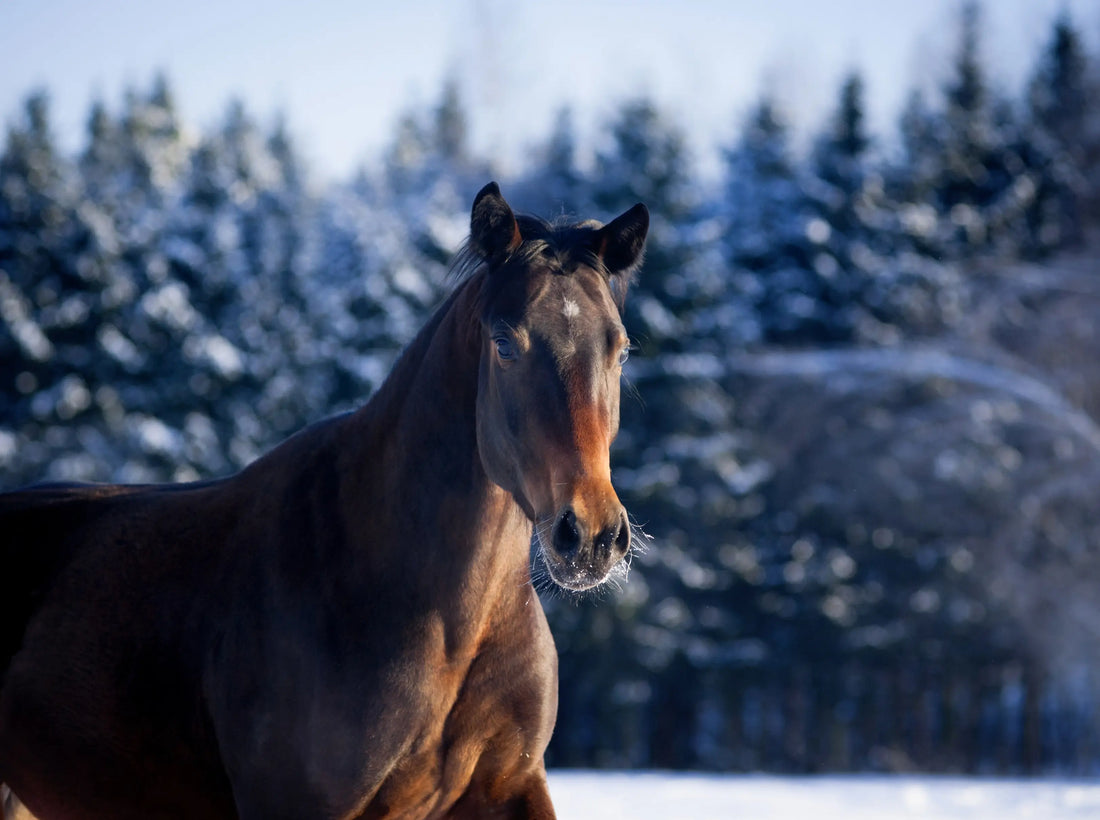
Winter brings challenges: from icy cold to muddy paddocks, testing both horses and their owners.
But with the right preparation, the cold season doesn't have to be a struggle. With a well-equipped stable, smart maintenance, and a little extra attention, you can help your horse get through the winter healthy and comfortable.
In part 1 of this guide, we discuss how to winter-proof your barn and pasture. Want to read more about winter nutrition and health? Then go to part 2.
1. Fresh air without drafts
Good barn ventilation is essential, even in winter. Fresh air helps prevent respiratory problems, while drafts can be harmful.
Provide adequate ventilation, but don't expose your horse to cold air. This is especially important during cold, dry periods to prevent respiratory problems.
To help your horse get through the winter in good health, it is essential to pay attention to stable ventilation, bedding and water intake.
2. Dry and warm ground cover
A comfortable resting area with dry bedding, such as straw or wood shavings, is essential in winter. It prevents your horse from coming into direct contact with a cold stable floor.
This is especially important for older horses or horses with joint problems, as it helps prevent stiff muscles and joints. Be aware that wet hooves can cause the stable to become damp more quickly in winter. Keep everything clean and refill regularly.
3. Access to fresh drinking water
In winter, horses' water intake is just as important as in summer. Make sure your horse always has access to clean drinking water that isn't too cold.
Frozen water troughs can be a problem in freezing temperatures, so consider insulated or heated troughs. Horses often drink more when the water is lukewarm, which helps prevent dehydration and digestive problems like colic.
A well-ventilated stable prevents respiratory problems, while dry and warm bedding provides comfort and helps prevent joint problems.
4. Use a blanket if necessary
Whether a horse needs a blanket depends on its situation. Unshorn horses with a thick winter coat usually don't need extra protection, as long as they're dry and have shelter.
Clipped horses, older horses, and horses with health problems often benefit from a well-fitting, breathable rug. Make sure the rug stays dry and doesn't cool the horse down due to moisture.
5. Protection against mud and ice
In winter, pastures and paddocks often become muddy and slippery. This can cause injuries and skin problems, such as mud fever and thrush.
Firm the ground with sand or special mats and ensure your horse's legs dry thoroughly after exercise. Regular cleaning and grooming helps prevent infection and irritation.
Make sure your horse always has access to fresh drinking water to prevent dehydration and digestive problems.
Also read
-

8 perfect gift ideas for your horse (friend)
Fiebe De WinLooking for the perfect Christmas gift for your horse or equine friend? 🎄 Equicom Christmas Bundles make gift-giving easy and fun. All carefully curated, high-quality, and with a 15% holiday...
8 perfect gift ideas for your horse (friend)
Fiebe De WinLooking for the perfect Christmas gift for your horse or equine friend? 🎄 Equicom Christmas Bundles make gift-giving easy and fun. All carefully curated, high-quality, and with a 15% holiday...
-
9 Signs Your Horse Needs Some Extra Support Thi...
Fiebe De WinThe leaves are falling, the days are getting shorter, and we're starting to reach for an extra sweater. Our horses feel the change of seasons too ! Less daylight and...
9 Signs Your Horse Needs Some Extra Support Thi...
Fiebe De WinThe leaves are falling, the days are getting shorter, and we're starting to reach for an extra sweater. Our horses feel the change of seasons too ! Less daylight and...
-
Horse feed in autumn: from shiny summer coat to...
Fiebe De WinAutumn is here! The leaves fall , the days become shorter ... and your horse changes quietly in a fluffy teddy bear . And with that big one change could...
Horse feed in autumn: from shiny summer coat to...
Fiebe De WinAutumn is here! The leaves fall , the days become shorter ... and your horse changes quietly in a fluffy teddy bear . And with that big one change could...

-
8 perfect gift ideas for your horse (friend)
Fiebe De WinLooking for the perfect Christmas gift for your horse or equine friend? 🎄 Equicom Christmas Bundles make gift-giving easy and fun. All carefully curated, high-quality, and with a 15% holiday...
8 perfect gift ideas for your horse (friend)
Fiebe De WinLooking for the perfect Christmas gift for your horse or equine friend? 🎄 Equicom Christmas Bundles make gift-giving easy and fun. All carefully curated, high-quality, and with a 15% holiday...
-
Exercise and nutrition in winter: How to keep y...
darius cozmaWinter brings unique challenges for caring for your horse. In addition to a safe and well-maintained stable, the right balance of exercise and nutrition is essential. Regular exercise, adapted to...
Exercise and nutrition in winter: How to keep y...
darius cozmaWinter brings unique challenges for caring for your horse. In addition to a safe and well-maintained stable, the right balance of exercise and nutrition is essential. Regular exercise, adapted to...
-
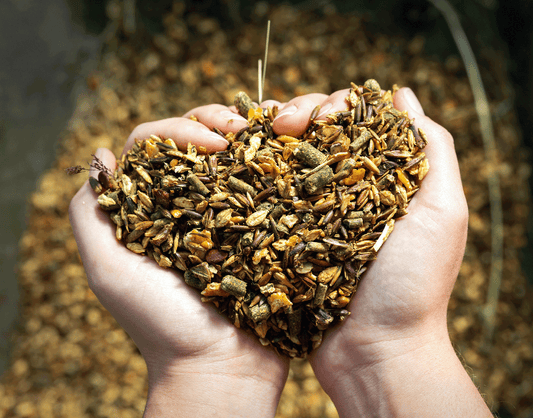
The ultimate winter feed for horses: how to kee...
darius cozmaWhat should be on your horse's winter menu? During the cold months, the nutritional needs of horses change drastically. Discover how to put together the perfect winter feed and what...
The ultimate winter feed for horses: how to kee...
darius cozmaWhat should be on your horse's winter menu? During the cold months, the nutritional needs of horses change drastically. Discover how to put together the perfect winter feed and what...
-
 Free shipping from 49€ Hooray! 🎉
 -
 Ordered before 9pm, shipped today Lightning fast ⚡
 -
 Expert advice available DM us 📨
 -
 14 days return policy Piece of cake 👌


- Choosing a selection results in a full page refresh.
- Opens in a new window.