The ultimate winter feed for horses: how to keep them healthy and energetic
3 min
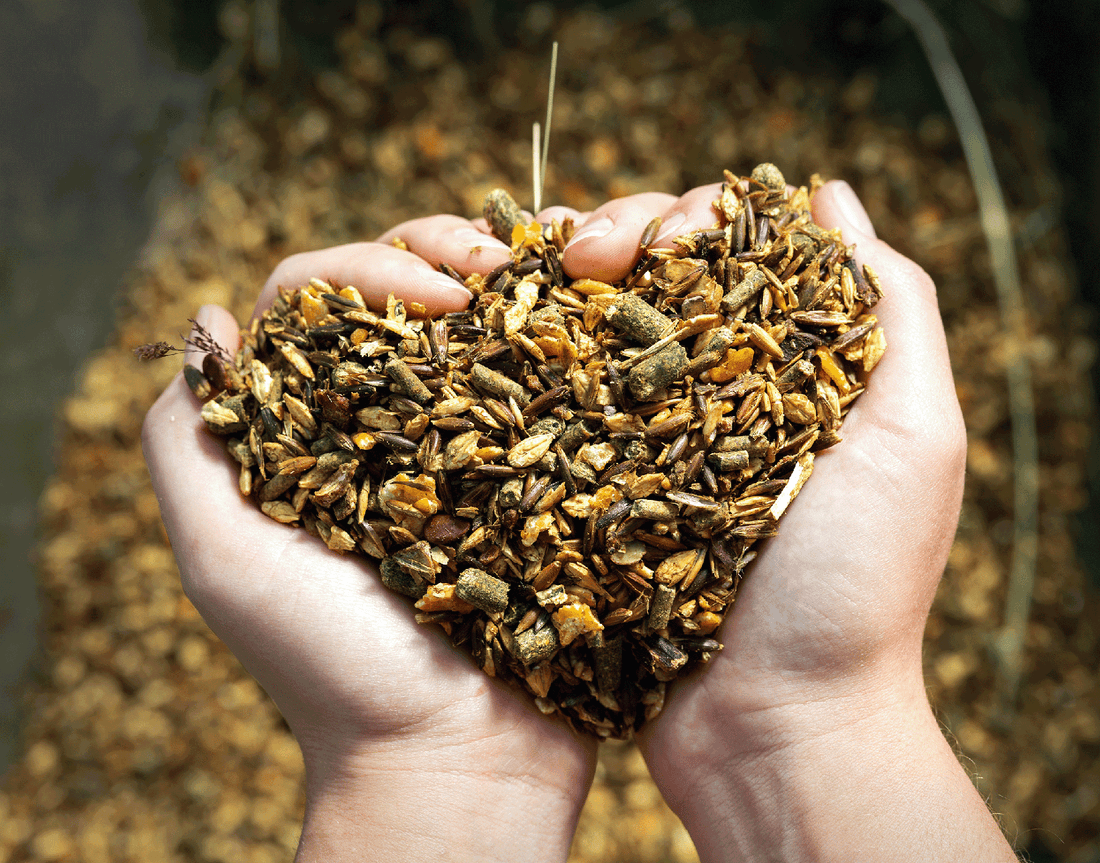
What should your horse's winter menu include? During the colder months, horses' nutritional needs change dramatically. Discover how to create the perfect winter feed and what to consider to meet all your horse's needs.
Hay: The basis of winter nutrition
Hay is the most important feed in winter. It provides essential fiber and energy and keeps your horse's digestion active. But not all hay is of good quality.
High-quality hay is green, fresh-smelling, and free of harmful mold, poisonous plants, foreign bodies, or excessive dust. The moisture content should not exceed 30%. If you don't have hay of this quality, alternatives such as soaked hay or alfalfa are a good choice. A Fiber Mix , such as Vitalbix, is an excellent supplement. It's rich in crude fiber, dust-free, and contains high-quality nutrients to optimally meet fiber needs.
More vitamins and minerals for the winter
Compared to fresh grass, hay has a different nutritional profile. During the drying process, hay loses important nutrients, such as vitamin A, which is essential for skin, coat, and mucous membranes.
It's therefore advisable to feed them extra in winter. Vitamin E and selenium also help keep muscles supple and support the immune system. Zinc is essential for healthy skin and helps during the shedding process. A tailored mineral feed like Reverdy Oligovit can effectively replenish these deficiencies.
Vegetable oils: Omega-3 and Omega-6 in balance
Vegetable oils are an important source of energy in winter. Linseed oil, in particular, rich in anti-inflammatory omega-3 fatty acids, supports healthy skin and a shiny coat.
For the right balance, a combination with omega-6 fatty acids, such as those found in sunflower oil, is recommended. TRM Omega 3 offers an ideal mix of these fatty acids in a balanced ratio.
Strengthening the immune system
Winter challenges horses' immune systems. Nutrition can support their resistance. Hagebutten, for example, is rich in vitamin C and a natural addition to the diet.
Brewer's yeast and flaxseed strengthen intestinal flora, an important foundation for a strong immune system. Minerals like copper, zinc, and selenium also play a role in immunity.
Digestion: More than just food processing
A healthy gut is crucial, especially in winter. Hay contains less moisture and more fiber than grass, which can slow digestion and sometimes lead to constipation or colic.
Moist feeds like mash support digestion and increase fluid intake. Probiotics can stabilize intestinal flora, especially in older or sensitive horses.
Precaution over aftercare
Whether it's a young sport horse, a quiet recreational partner, an older pensioner, or a sensitive eczema pony, winter is the time to lay a healthy foundation for the coming year.
Also read
-

8 perfect gift ideas for your horse (friend)
Fiebe De WinLooking for the perfect Christmas gift for your horse or equine friend? 🎄 Equicom Christmas Bundles make gift-giving easy and fun. All carefully curated, high-quality, and with a 15% holiday...
8 perfect gift ideas for your horse (friend)
Fiebe De WinLooking for the perfect Christmas gift for your horse or equine friend? 🎄 Equicom Christmas Bundles make gift-giving easy and fun. All carefully curated, high-quality, and with a 15% holiday...
-
9 Signs Your Horse Needs Some Extra Support Thi...
Fiebe De WinThe leaves are falling, the days are getting shorter, and we're starting to reach for an extra sweater. Our horses feel the change of seasons too ! Less daylight and...
9 Signs Your Horse Needs Some Extra Support Thi...
Fiebe De WinThe leaves are falling, the days are getting shorter, and we're starting to reach for an extra sweater. Our horses feel the change of seasons too ! Less daylight and...
-
Horse feed in autumn: from shiny summer coat to...
Fiebe De WinAutumn is here! The leaves fall , the days become shorter ... and your horse changes quietly in a fluffy teddy bear . And with that big one change could...
Horse feed in autumn: from shiny summer coat to...
Fiebe De WinAutumn is here! The leaves fall , the days become shorter ... and your horse changes quietly in a fluffy teddy bear . And with that big one change could...

-
8 perfect gift ideas for your horse (friend)
Fiebe De WinLooking for the perfect Christmas gift for your horse or equine friend? 🎄 Equicom Christmas Bundles make gift-giving easy and fun. All carefully curated, high-quality, and with a 15% holiday...
8 perfect gift ideas for your horse (friend)
Fiebe De WinLooking for the perfect Christmas gift for your horse or equine friend? 🎄 Equicom Christmas Bundles make gift-giving easy and fun. All carefully curated, high-quality, and with a 15% holiday...
-
Horse feed in autumn: from shiny summer coat to...
Fiebe De WinAutumn is here! The leaves fall , the days become shorter ... and your horse changes quietly in a fluffy teddy bear . And with that big one change could...
Horse feed in autumn: from shiny summer coat to...
Fiebe De WinAutumn is here! The leaves fall , the days become shorter ... and your horse changes quietly in a fluffy teddy bear . And with that big one change could...
-
What to do about summer eczema?
Lot PeetersSweet itch can really ruin your horse's summer with intense itching and chafing. In this blog post, we offer 10 practical tips to prevent, relieve, and control itching.
What to do about summer eczema?
Lot PeetersSweet itch can really ruin your horse's summer with intense itching and chafing. In this blog post, we offer 10 practical tips to prevent, relieve, and control itching.
-
8 perfect gift ideas for your horse (friend)
Fiebe De WinLooking for the perfect Christmas gift for your horse or equine friend? 🎄 Equicom Christmas Bundles make gift-giving easy and fun. All carefully curated, high-quality, and with a 15% holiday...
8 perfect gift ideas for your horse (friend)
Fiebe De WinLooking for the perfect Christmas gift for your horse or equine friend? 🎄 Equicom Christmas Bundles make gift-giving easy and fun. All carefully curated, high-quality, and with a 15% holiday...
-
Winter Care for Your Horse: Tips for a Healthy ...
darius cozmaWinter brings challenges, from icy cold to muddy paddocks, that test both horses and their owners. But with the right preparation, the cold season doesn't have to be a struggle....
Winter Care for Your Horse: Tips for a Healthy ...
darius cozmaWinter brings challenges, from icy cold to muddy paddocks, that test both horses and their owners. But with the right preparation, the cold season doesn't have to be a struggle....
-
Exercise and nutrition in winter: How to keep y...
darius cozmaWinter brings unique challenges for caring for your horse. In addition to a safe and well-maintained stable, the right balance of exercise and nutrition is essential. Regular exercise, adapted to...
Exercise and nutrition in winter: How to keep y...
darius cozmaWinter brings unique challenges for caring for your horse. In addition to a safe and well-maintained stable, the right balance of exercise and nutrition is essential. Regular exercise, adapted to...
-
 Free shipping from 49€ Hooray! 🎉
 -
 Ordered before 9pm, shipped today Lightning fast ⚡
 -
 Expert advice available DM us 📨
 -
 14 days return policy Piece of cake 👌


- Choosing a selection results in a full page refresh.
- Opens in a new window.