Exercise and nutrition in winter: How to keep your horse fit and healthy
3 min
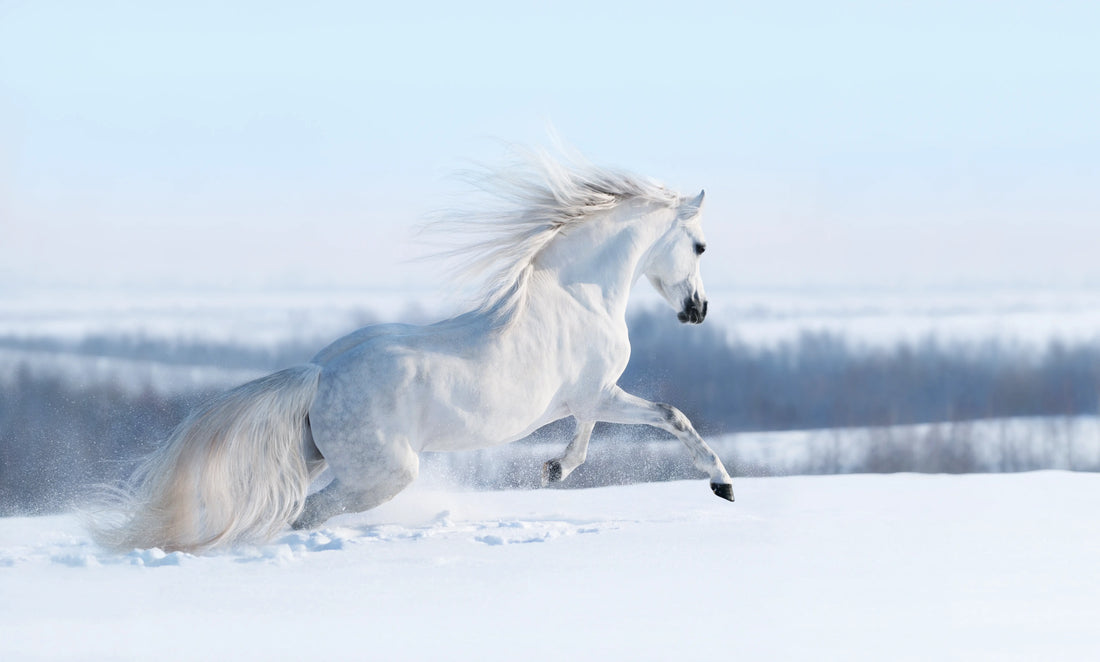
Winter calls for adjustments in your horse's care. Besides stable care and a safe pasture—which we'll cover in detail in part 1—proper exercise and nutrition are also essential.
In this second installment of our winter guide, we share tips on how to keep your horse fit and healthy during the cold months. From tailored training to extra attention to nutrition and supplements, discover how your horse can weather the winter.
Movement at low temperatures
Regular exercise is crucial, even in cold weather. Start with a thorough warm-up at walk to loosen muscles and joints before moving to trot and canter. Be aware of slippery areas in the arena and prefer a snow-free and safe surface, or ride in an indoor arena.
Adapting training to winter conditions
If an indoor arena isn't available and it's slippery or icy outside, adjust your training accordingly. Choose lunging or groundwork to improve your horse's balance and coordination. It's important to keep training fun and prevent injuries.
Start your workouts with a warm-up and adjust to slippery conditions with groundwork or lunging. Regular exercise keeps muscles supple and prevents stiffness.
Food for a strong immune system
In winter, horses use more energy to stay warm. Provide plenty of high-quality roughage, such as hay, to meet this energy requirement.
Consider supplements such as flaxseed oil or brewer's yeast to support the immune system and improve coat condition.
Horse winter feed, such as high-quality hay, provides energy to stay warm, supplemented with linseed oil for a strong immune system . Provide fresh, unfrozen water and support joints with supplements like collagen and hyaluronic acid, especially for older horses. "
Support for joints and tendons
Joints can feel stiffer at low temperatures. Supplements containing collagen, chondroitin, or hyaluronic acid can help support joint health, especially in older horses or horses with existing joint problems.
Coping with increased alertness in cold weather
Cold weather and wind can make horses more alert and energetic. A magnesium supplement can help support the nervous system and reduce excessive excitability. However, this does not replace the need for sufficient exercise and mental stimulation.
Regular coat and hoof care
In winter, it's important to properly care for your horse's coat and hooves. Regular brushing stimulates circulation and helps prevent skin problems. Ensure the legs are clean and dry after contact with mud to prevent conditions like mud fever. Check the hooves regularly and use care products as needed to maintain hoof quality.
Regular winter care for horses, such as brushing and hoof trimming, prevents skin problems and protects against moisture. Magnesium can help with irritability, but exercise and mental stimulation remain essential.
These exercise and nutrition tips will help your horse stay fit and healthy throughout the winter. See part 1 of our winter guide for practical advice on stable care and pasture maintenance.
Also read
-

8 perfect gift ideas for your horse (friend)
Fiebe De WinLooking for the perfect Christmas gift for your horse or equine friend? 🎄 Equicom Christmas Bundles make gift-giving easy and fun. All carefully curated, high-quality, and with a 15% holiday...
8 perfect gift ideas for your horse (friend)
Fiebe De WinLooking for the perfect Christmas gift for your horse or equine friend? 🎄 Equicom Christmas Bundles make gift-giving easy and fun. All carefully curated, high-quality, and with a 15% holiday...
-
9 Signs Your Horse Needs Some Extra Support Thi...
Fiebe De WinThe leaves are falling, the days are getting shorter, and we're starting to reach for an extra sweater. Our horses feel the change of seasons too ! Less daylight and...
9 Signs Your Horse Needs Some Extra Support Thi...
Fiebe De WinThe leaves are falling, the days are getting shorter, and we're starting to reach for an extra sweater. Our horses feel the change of seasons too ! Less daylight and...
-
Horse feed in autumn: from shiny summer coat to...
Fiebe De WinAutumn is here! The leaves fall , the days become shorter ... and your horse changes quietly in a fluffy teddy bear . And with that big one change could...
Horse feed in autumn: from shiny summer coat to...
Fiebe De WinAutumn is here! The leaves fall , the days become shorter ... and your horse changes quietly in a fluffy teddy bear . And with that big one change could...

-
8 perfect gift ideas for your horse (friend)
Fiebe De WinLooking for the perfect Christmas gift for your horse or equine friend? 🎄 Equicom Christmas Bundles make gift-giving easy and fun. All carefully curated, high-quality, and with a 15% holiday...
8 perfect gift ideas for your horse (friend)
Fiebe De WinLooking for the perfect Christmas gift for your horse or equine friend? 🎄 Equicom Christmas Bundles make gift-giving easy and fun. All carefully curated, high-quality, and with a 15% holiday...
-
8 perfect gift ideas for your horse (friend)
Fiebe De WinLooking for the perfect Christmas gift for your horse or equine friend? 🎄 Equicom Christmas Bundles make gift-giving easy and fun. All carefully curated, high-quality, and with a 15% holiday...
8 perfect gift ideas for your horse (friend)
Fiebe De WinLooking for the perfect Christmas gift for your horse or equine friend? 🎄 Equicom Christmas Bundles make gift-giving easy and fun. All carefully curated, high-quality, and with a 15% holiday...
-
Horse feed in autumn: from shiny summer coat to...
Fiebe De WinAutumn is here! The leaves fall , the days become shorter ... and your horse changes quietly in a fluffy teddy bear . And with that big one change could...
Horse feed in autumn: from shiny summer coat to...
Fiebe De WinAutumn is here! The leaves fall , the days become shorter ... and your horse changes quietly in a fluffy teddy bear . And with that big one change could...
-
What to do about summer eczema?
Lot PeetersSweet itch can really ruin your horse's summer with intense itching and chafing. In this blog post, we offer 10 practical tips to prevent, relieve, and control itching.
What to do about summer eczema?
Lot PeetersSweet itch can really ruin your horse's summer with intense itching and chafing. In this blog post, we offer 10 practical tips to prevent, relieve, and control itching.
-
8 perfect gift ideas for your horse (friend)
Fiebe De WinLooking for the perfect Christmas gift for your horse or equine friend? 🎄 Equicom Christmas Bundles make gift-giving easy and fun. All carefully curated, high-quality, and with a 15% holiday...
8 perfect gift ideas for your horse (friend)
Fiebe De WinLooking for the perfect Christmas gift for your horse or equine friend? 🎄 Equicom Christmas Bundles make gift-giving easy and fun. All carefully curated, high-quality, and with a 15% holiday...
-
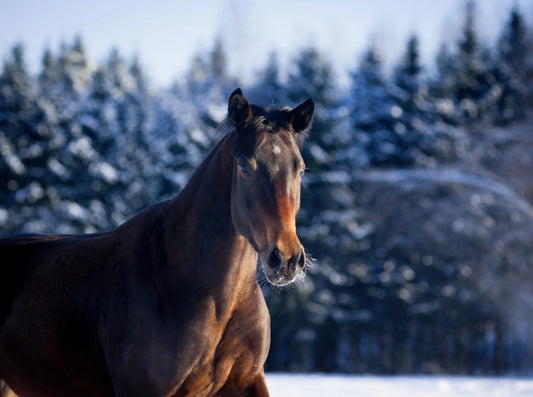
Winter Care for Your Horse: Tips for a Healthy ...
darius cozmaWinter brings challenges, from icy cold to muddy paddocks, that test both horses and their owners. But with the right preparation, the cold season doesn't have to be a struggle....
Winter Care for Your Horse: Tips for a Healthy ...
darius cozmaWinter brings challenges, from icy cold to muddy paddocks, that test both horses and their owners. But with the right preparation, the cold season doesn't have to be a struggle....
-
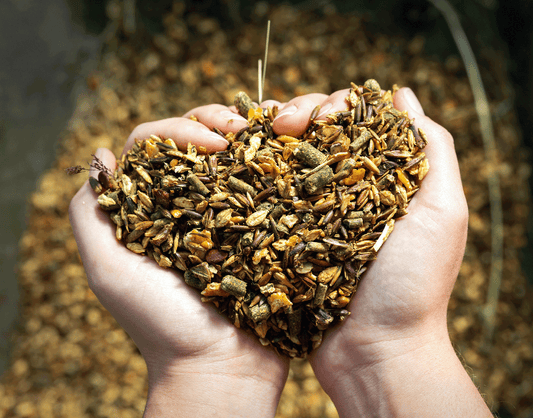
The ultimate winter feed for horses: how to kee...
darius cozmaWhat should be on your horse's winter menu? During the cold months, the nutritional needs of horses change drastically. Discover how to put together the perfect winter feed and what...
The ultimate winter feed for horses: how to kee...
darius cozmaWhat should be on your horse's winter menu? During the cold months, the nutritional needs of horses change drastically. Discover how to put together the perfect winter feed and what...
-
 Free shipping from 49€ Hooray! 🎉
 -
 Ordered before 9pm, shipped today Lightning fast ⚡
 -
 Expert advice available DM us 📨
 -
 14 days return policy Piece of cake 👌


- Choosing a selection results in a full page refresh.
- Opens in a new window.